

Japanese Floral Tattoos: A Cultural Art Form

Japanese floral tattoos are more than just body art; they are a rich tapestry of culture, history, and symbolism. These tattoos, often referred to as "Irezumi," have deep roots in Japanese tradition and carry significant meanings that resonate with many people around the world. In this blog post, we will explore the various aspects of Japanese floral tattoos, including their history, symbolism, and the different types of flowers commonly used in these designs.

The History of Japanese Tattoos
The history of Japanese tattoos dates back to ancient times. Initially, tattoos were used for various purposes, including marking criminals and serving as a form of punishment. However, over time, tattoos evolved into a respected art form, particularly during the Edo period (1603-1868). During this time, tattoos became popular among the working class and were often associated with the Yakuza, Japan's organized crime syndicate.
The Edo Period and Tattoo Culture
During the Edo period, tattooing became a way for individuals to express their identity and beliefs. Artists began to create elaborate designs that featured various elements of nature, including flowers, animals, and mythical creatures. The use of floral motifs became particularly popular, as they symbolized beauty, transience, and the cycle of life.
Symbolism of Flowers in Japanese Tattoos
Flowers play a crucial role in Japanese tattoos, each carrying its own unique symbolism. Here are some of the most commonly used flowers and their meanings:
Cherry Blossom (Sakura)
The cherry blossom is perhaps the most iconic flower in Japanese culture. It symbolizes the fleeting nature of life, beauty, and renewal. The short-lived blossoms remind us to appreciate the present moment, as they bloom for only a brief period each spring.
Lotus Flower (Hasu)
The lotus flower represents purity, enlightenment, and rebirth. It grows in muddy waters but rises above the surface to bloom beautifully. This flower is often associated with spiritual growth and overcoming obstacles.
Peony (Botan)
The peony is known as the "king of flowers" in Japan. It symbolizes wealth, good fortune, and prosperity. In tattoos, peonies are often depicted alongside other elements to enhance their meaning and create a sense of balance.
Chrysanthemum (Kiku)
Chrysanthemums are symbols of longevity and rejuvenation. They are often associated with autumn and are celebrated during the Japanese festival known as "Chrysanthemum Day." In tattoos, they can represent a long and fruitful life.
Wisteria (Fuji)
Wisteria flowers symbolize love, harmony, and the beauty of relationships. Their cascading blooms create a sense of elegance and grace, making them a popular choice for tattoo designs.
Styles of Japanese Floral Tattoos
Japanese floral tattoos can be categorized into various styles, each with its own unique characteristics. Here are some of the most popular styles:
Traditional Japanese Style (Irezumi)
Traditional Japanese tattoos, or Irezumi, are characterized by bold outlines, vibrant colors, and intricate details. These tattoos often cover large areas of the body and incorporate various elements, including flowers, waves, and mythical creatures. The designs are deeply rooted in Japanese culture and often tell a story.
Neo-Traditional Style
Neo-traditional tattoos take inspiration from traditional Japanese designs but incorporate modern elements and techniques. This style often features a more diverse color palette and may include additional influences from Western tattoo art. Neo-traditional floral tattoos maintain the symbolism of the flowers while offering a fresh perspective.
Watercolor Style
Watercolor tattoos are known for their soft, blended colors and lack of defined outlines. This style creates a dreamy, ethereal effect that can beautifully represent the delicate nature of flowers. Watercolor floral tattoos often evoke a sense of movement and fluidity.
Choosing the Right Floral Tattoo
When considering a Japanese floral tattoo, it's essential to choose a design that resonates with you personally. Here are some tips to help you make the right choice:
Reflect on Personal Meaning
Think about the flowers that hold significance in your life. Do you have a favorite flower? Does a particular flower remind you of a loved one or a meaningful experience? Choosing a design that reflects your personal story can make the tattoo even more special.
Consider Placement
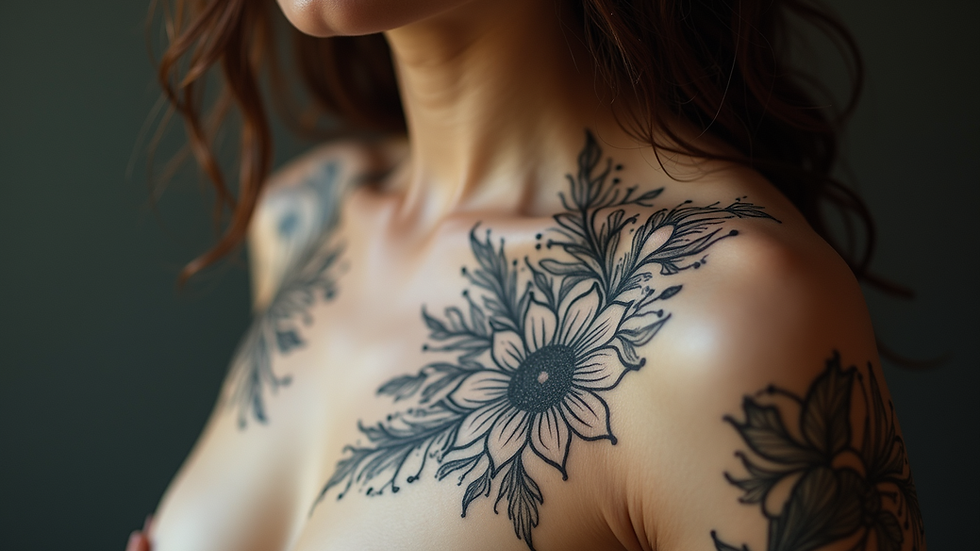
The placement of your tattoo can affect its overall impact. Larger designs, such as those in the traditional Irezumi style, are often placed on the back, chest, or arms. Smaller floral tattoos can be placed on the wrist, ankle, or behind the ear for a more subtle look.
Consult with an Artist
Finding a skilled tattoo artist who specializes in Japanese floral tattoos is crucial. They can help you refine your design and ensure that it aligns with traditional techniques and styles. Don't hesitate to ask for their input and suggestions.
Caring for Your Japanese Floral Tattoo
Once you've chosen your design and had your tattoo done, proper aftercare is essential to ensure it heals well and maintains its vibrancy. Here are some tips for caring for your new tattoo:
Follow Aftercare Instructions
Your tattoo artist will provide specific aftercare instructions. Follow these carefully to avoid infection and ensure proper healing. Common recommendations include keeping the tattoo clean, avoiding direct sunlight, and applying a healing ointment.
Moisturize Regularly
Keeping your tattoo moisturized is key to maintaining its appearance. Use a fragrance-free lotion or tattoo-specific moisturizer to prevent dryness and fading.
Avoid Scratching or Picking
As your tattoo heals, it may itch or peel. Avoid scratching or picking at the tattoo, as this can lead to scarring and affect the design's integrity.
The Cultural Significance of Japanese Floral Tattoos
Japanese floral tattoos are not just a trend; they are a reflection of a rich cultural heritage. They embody the values and beliefs of Japanese society, emphasizing the beauty of nature and the importance of living in the moment. By choosing a Japanese floral tattoo, individuals can connect with this cultural legacy while expressing their unique identity.
A Form of Storytelling
Each tattoo tells a story, whether it's about personal growth, love, or the appreciation of beauty. The combination of flowers and other elements creates a narrative that resonates with the wearer and those who view the tattoo.
A Connection to Nature
Japanese floral tattoos celebrate the beauty of nature and remind us of our connection to the world around us. They encourage us to appreciate the fleeting moments of beauty in our lives, much like the cherry blossoms that bloom each spring.
Conclusion
Japanese floral tattoos are a beautiful and meaningful way to express oneself while honoring a rich cultural tradition. With their deep symbolism and stunning artistry, these tattoos resonate with many people, making them a popular choice for body art. Whether you choose a cherry blossom, lotus, or peony, each design carries a story and a connection to nature that is both timeless and profound.
As you consider your own tattoo journey, take the time to reflect on the flowers that speak to you. Consult with a skilled artist, and embrace the beauty of this cultural art form. Your tattoo can be a celebration of life, love, and the beauty that surrounds us every day.

Comments