

Exploring Ornamental Illustrative Realism in Tattoos

Tattoos have evolved significantly over the years, transforming from simple symbols of rebellion to intricate works of art that tell personal stories. Among the various styles that have emerged, ornamental illustrative realism stands out for its unique blend of ornamental design and realistic imagery. This blog post will delve into the fascinating world of ornamental illustrative realism in tattoos, exploring its history, techniques, and the artists who are pushing the boundaries of this art form.
The Origins of Ornamental Illustrative Realism
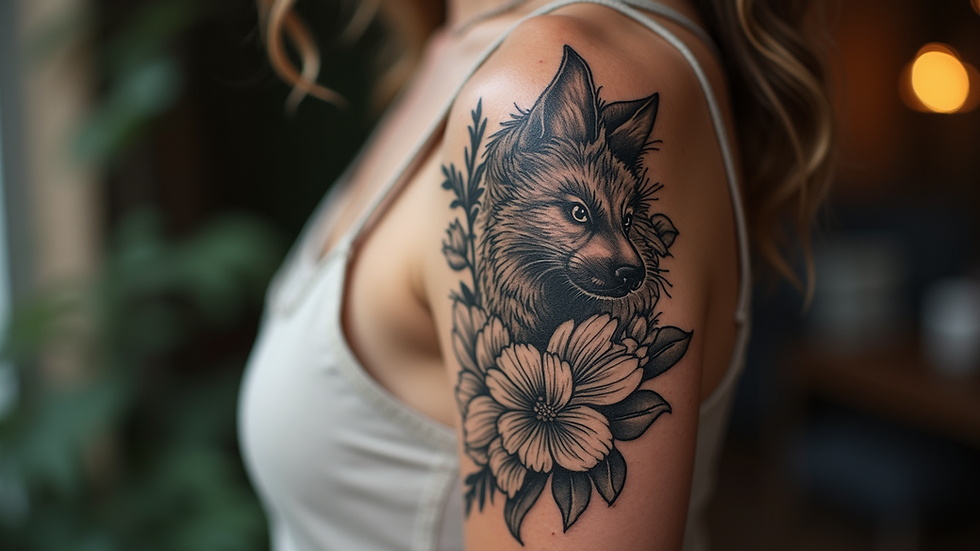
Ornamental illustrative realism is a style that combines elements of traditional ornamental tattooing with realistic imagery. This fusion creates tattoos that are not only visually striking but also rich in meaning.
Historical Context
The roots of ornamental tattooing can be traced back to ancient cultures, where tattoos served as symbols of status, protection, or spiritual significance. As tattooing spread across the globe, various styles emerged, influenced by cultural and artistic movements.
In the late 20th century, the rise of realism in tattooing began to take shape, with artists focusing on creating lifelike representations of subjects. Ornamental illustrative realism emerged as a response to this trend, incorporating decorative elements that enhance the overall composition of the tattoo.
Key Characteristics
Ornamental illustrative realism is characterized by:
Intricate Details: Artists pay close attention to fine details, ensuring that every element is carefully crafted.
Realistic Imagery: The style often features lifelike representations of animals, nature, or human figures.
Ornamental Elements: Decorative motifs, such as mandalas, floral patterns, or geometric shapes, are integrated into the design, adding depth and complexity.
Techniques Used in Ornamental Illustrative Realism
Creating a tattoo in the ornamental illustrative realism style requires a combination of artistic skill and technical expertise. Here are some of the techniques commonly employed by artists:
Line Work
The foundation of any tattoo is its line work. In ornamental illustrative realism, artists use clean, precise lines to outline the main elements of the design. This is crucial for achieving a polished look and ensuring that the tattoo ages well over time.
Shading and Color
Shading plays a vital role in creating depth and dimension in tattoos. Artists often use a combination of black and gray shading alongside vibrant colors to enhance the realism of the imagery. The careful application of color can bring a tattoo to life, making it appear three-dimensional.
Composition
The composition of a tattoo is essential in ornamental illustrative realism. Artists must consider how each element interacts with one another, ensuring a harmonious balance. This often involves layering ornamental designs around realistic imagery to create a cohesive piece.
Texture
Texture is another important aspect of ornamental illustrative realism. Artists use various techniques to mimic the appearance of different materials, such as fur, feathers, or skin. This attention to detail adds an extra layer of realism to the tattoo.
Notable Artists in Ornamental Illustrative Realism
Several artists have gained recognition for their exceptional work in ornamental illustrative realism. Here are a few who have made significant contributions to the style:
1. Megan Massacre
Megan Massacre is known for her stunning tattoos that blend realism with ornamental elements. Her work often features intricate floral designs intertwined with lifelike portraits, creating a unique and captivating aesthetic.
2. Dmitriy Samohin
Dmitriy Samohin is a master of realism, and his tattoos often incorporate ornamental motifs. His attention to detail and ability to create lifelike images have earned him a dedicated following in the tattoo community.
3. Mikayla K.
Mikayla K. is an emerging artist who specializes in ornamental illustrative realism. Her work often features bold colors and intricate designs, showcasing her unique style and artistic vision.
The Process of Getting an Ornamental Illustrative Realism Tattoo
If you're considering getting a tattoo in this style, it's essential to understand the process involved. Here’s a step-by-step guide:
Step 1: Research
Start by researching artists who specialize in ornamental illustrative realism. Look at their portfolios to find a style that resonates with you.
Step 2: Consultation
Once you've chosen an artist, schedule a consultation. Discuss your ideas, preferences, and any specific elements you want to include in your tattoo. This is also a good time to ask about the artist's process and experience.
Step 3: Design
After the consultation, the artist will create a design based on your input. Be prepared for revisions, as artists often refine their designs to ensure they meet your expectations.
Step 4: Tattooing
On the day of your appointment, the artist will prepare the area and begin the tattooing process. Depending on the size and complexity of the design, this can take several hours.
Step 5: Aftercare
Once the tattoo is complete, the artist will provide aftercare instructions. Following these guidelines is crucial for ensuring proper healing and preserving the quality of your tattoo.
The Significance of Ornamental Illustrative Realism
Ornamental illustrative realism is more than just a tattoo style; it represents a fusion of art and personal expression. Each tattoo tells a story, reflecting the wearer's identity, beliefs, and experiences.
Personal Connection
Many individuals choose ornamental illustrative realism tattoos because they resonate with their personal journeys. The combination of realistic imagery and ornamental design allows for a unique representation of one's life experiences.
Artistic Expression
For artists, this style offers a canvas to showcase their creativity and technical skills. The intricate details and vibrant colors challenge artists to push their boundaries and explore new techniques.
Trends in Ornamental Illustrative Realism
As with any art form, ornamental illustrative realism continues to evolve. Here are some current trends shaping the style:
Nature-Inspired Designs
Many artists are drawing inspiration from nature, incorporating elements like animals, plants, and landscapes into their tattoos. This trend reflects a growing appreciation for the natural world and its beauty.
Geometric Patterns
Geometric shapes and patterns are increasingly being integrated into ornamental illustrative realism tattoos. These designs add a modern touch while enhancing the overall composition.
Minimalism
While ornamental illustrative realism is known for its intricate details, some artists are embracing minimalism within the style. This approach focuses on clean lines and subtle designs, appealing to those who prefer a more understated look.
Conclusion
Ornamental illustrative realism is a captivating tattoo style that combines intricate designs with realistic imagery. It offers a unique way for individuals to express their identities and stories through body art. As the style continues to evolve, it remains a testament to the creativity and skill of tattoo artists around the world.
Whether you're considering your first tattoo or looking to add to your collection, ornamental illustrative realism offers endless possibilities for personal expression. Explore this art form, find an artist whose work resonates with you, and embark on a journey of self-discovery through the world of tattoos.



Comments